
- Companies
- Caregivers
- Families
Find caregiver training certification courses for your state • Explore senior care options & costs • Access Caregiver Training University's learning management system for your care company's staff training

Begin or renew certification training. Offered in English, Spanish, Hindi, and Tagalog.
Start Training
Learn how to stand out, get started on a caregiver career, and apply to jobs.
Visit Career Center


Use our checklists and research to create your own care plan.
Create Your Plan
Log in to access thousands of pre-qualified caregivers and save time hiring.
Login
Caregiver training customized for your state with 1-click caregiver enrollment.
Training by State
Exclusive senior care plan referrals for qualifying licensed home care agencies.
Client Referrals

From The Miami Herald — “The Need for In-Home Care Rises as Baby Boomers Age”
“We have agencies telling us, ‘We need this kind of worker, we need that kind,’” says Julie Northcutt, Caregiverlist.com founder and CEO. “Even in this economy, we’ve had a huge demand. Agencies are growing as fast as they can.”Read the full article
Finding and training workers for these jobs will become increasingly important as the baby boomer generation, 78 million strong, ages. Studies have found that at-home care is more effective — and less expensive — than similar care in a nursing home or hospital.

From U.S. News & World Report — “How to Become a Savvy Nursing-Home Shopper”
Many so-called “private-pay” facilities do not accept Medicaid patients, but are included in the Caregiverlist ratings. “The staffing ratio is a real, real issue in the industry,” Northcutt advises, “and it’s going to affect the quality of care for your loved one.”Read the full article
Caregiverlist identifies homes where access may be restricted — for veterans, people with certain acute needs, or patients of a specific hospital — and may include retirement communities with nursing facilities where access to nursing services may be limited to community residents.
Maybe you've noticed dry patches on someone's arms while helping them get dressed. Perhaps they keep scratching their legs or feel uncomfortable sitting in the same position for too long. These small observations can tell us a lot about a person's skin health. Skin care for older adults is an important part of everyday caregiving. Knowing what to look for can help caregivers recognize concerns before they become more serious.
As we age, our skin naturally becomes thinner and less elastic. It also loses some of the oils that help keep it soft and hydrated. This means skin may become drier, more sensitive, and easier to damage.
Hormonal changes, medications, and certain health conditions can also affect the skin.
Estrogen helps maintain skin collagen. According to the American Academy of Dermatology, women lose about 30% of their skin's collagen during the first five years of menopause, followed by about 2% each year for the next 20 years. Men also lose collagen as they age, but these specific figures apply to postmenopausal women.
The good news? A little extra attention can help prevent discomfort and catch problems before they become more serious.
Have you ever noticed someone scratching their arms or legs throughout the day? Or perhaps their skin looks flaky even after a bath?
Dry skin in older adults is common. It can feel tight, rough, or itchy. Everyday habits like taking hot showers or using strongly scented soaps can make it worse. Sometimes, though, persistent itching has another cause, such as a medication or an underlying health condition.
Dryness can also lead to skin irritation. When the skin becomes inflamed, it may turn red, develop a rash, or start to peel. Conditions such as eczema and dermatitis can cause these symptoms. They may look similar, so a healthcare professional may need to assess the skin to identify the cause.
Eczema in older adults can affect comfort and daily activities. The CDC's National Center for Health Statistics reported that in 2024, diagnosed eczema affected:
When someone keeps scratching, the skin can break and become more vulnerable to infection. Persistent itching can also interfere with sleep and daily comfort.
Imagine spending most of the day in bed or sitting in a chair. Without regular movement, the same areas of skin can remain under pressure for long periods.
Over time, that pressure can damage the skin and the tissue underneath. These injuries are called pressure sores or pressure injuries. Pressure injuries in older adults often develop around the heels, hips, and tailbone.
Older adults who have difficulty moving on their own face a greater risk. Moisture, friction, and poor nutrition can also contribute.
The important thing to remember is that a pressure injury can start before a wound appears.
You might notice a patch of skin that looks different from the surrounding area. It may feel warmer, firmer, swollen, or tender. On darker skin, redness may be harder to see, so changes in texture or temperature are also important.
According to the Agency for Healthcare Research and Quality, more than 2.5 million people in the United States develop pressure ulcers each year.
Pressure injuries can cause pain, delay healing, and lead to serious complications. That's why pressure sore prevention matters. A new sore, persistent discoloration, or discomfort over a pressure area should be reported promptly.
Small changes in everyday routines can help older adults stay comfortable and protect fragile skin. These caregiver skin care tips can make daily care safer and more comfortable.
1. Take a closer look. While helping someone bathe or get dressed, notice dry patches, rashes, bruises, or areas that look different. Pay attention to places exposed to pressure or moisture. You don't need to know the name of a skin condition to recognize that something has changed.
2. Keep skin care gentle and moisturizing. Older skin can be more sensitive to everyday products and habits. Choose mild, fragrance-free cleansers and moisturizers. Look for ingredients such as ceramides, glycerin, or petrolatum to help retain moisture. Apply moisturizer after bathing while the skin is still slightly damp. Avoid very hot showers, harsh soaps, rough scrubbing, and exfoliating products that can irritate fragile skin. Remember, “natural” and “unscented” don't always mean irritation-free. Stop using any product that causes discomfort or a rash.
3. Encourage regular hydration. Drinking enough fluids supports overall health. Offer water regularly throughout the day and make fluids accessible when appropriate. Some older adults may not feel thirsty as often, so gentle reminders can help. Always follow any fluid restrictions prescribed by a healthcare professional.
4. Keep skin clean and dry. Sweat, incontinence, and damp skin folds can cause irritation. Gently clean the skin after it becomes soiled and pat it dry instead of rubbing. Check areas where moisture can collect. Avoid leaving damp clothing or bedding against the skin for long periods.
5. Help relieve pressure. People who spend long periods in bed or in a chair may need help changing positions. Follow their individualized repositioning and mobility plan. Use prescribed cushions and support surfaces as directed. Never massage an area that may be developing a pressure injury.
6. Notice, document, and report changes. Is the itching getting worse? Does a rash keep returning? Has a new sore appeared? Note when the change started and how it has progressed. Share these observations with the appropriate healthcare professional. Seek prompt assessment for new skin breakdown or signs of infection.
Skin care for older adults is about helping people stay comfortable, respected, and supported as they age. During everyday caregiving, take a moment to notice how your client or loved one's skin looks and feels. A small change may be easy to overlook, but your attention could make a meaningful difference.
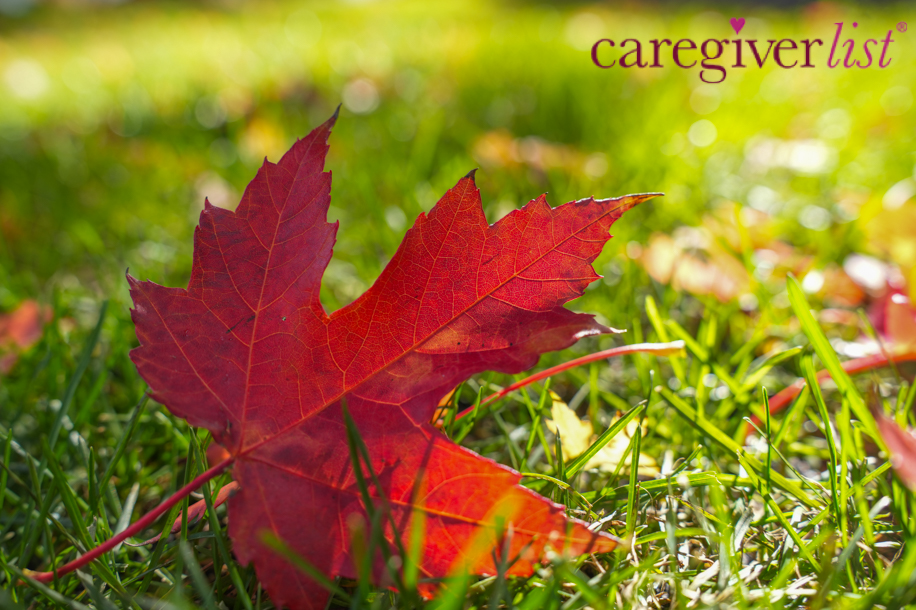
A colorful autumn moment reminds us about aging beautifully. As caregivers you provide light to others in their later years. We hope you can take some time to enjoy the beauty of the season, both in nature and in life. This week’s stress relief photo was taken in Lincoln Park in Chicago, Illinois. Caregiverlist invites you to enjoy the photo and share it with loved ones. At Caregiverlist we know the realities of caregiver stress. Now more than ever we thank you caregivers and certified nursing aides for your hard work and for caring for our seniors. We hope you have a great week ahead.
"How beautifully leaves grow old. How full of light and color are their last days."
-John Burroughs

An overview of our course which meets all industry standards.
Play now View all videos
An overview of the costs and benefits of senior home care.
Play now View all videos
Lisa Sneddon, founder of Senior Living Experts, provides advice on finding assisted living options.
Play now View all videos

May 2014 • Shanice Kelly • Background Checks, Caregiver Jobs & Caregiver Training
Senior caregivers assist seniors as companion caregivers and nursing aides in nursing homes, assisted living communities, and senior home care agencies. The pay rate has continued to rise and remains above minimum wage for all professional senior caregivers.
The Caregiverlist® pay survey records pay rates from 34,959 professional senior caregivers. More senior caregivers are needed — anyone with a caring personality may apply to a senior care job in their area on the Caregiverlist® Career Center.
Continue reading
View the Caregiverlist® Nursing Home Directory
Visit the Caregiverlist® Career Center


Senior care companies hire from 3 to 6 professional caregivers each week to keep up with demand. Most American seniors do not plan ahead for senior care, and when a sudden medical condition such as a stroke, heart attack, or early stages of memory loss occurs, they immediately need professional senior caregiving services.
The number of senior home care agencies has increased by 40% since 2008. The Caregiverlist® Career Center assists anyone with a caring personality to learn how to become a senior caregiver and submit a job application reaching multiple hiring companies in their area. As the only resource with an ongoing database of experienced, professional senior caregivers, Caregiverlist® allows companies to efficiently hire the most qualified caregivers in their area.


